Egypt awaits: Nick Glakas explores this ancient civilization
-
Date
June 15, 2026
-
Time
7:00 pm - 8:00 pm
For more than 3,000 years, Egyptian civilization stood at the pinnacle of the ancient Mediterranean world. Its many colossal monuments and extraordinary achievements were made possible by a society that was prosperous and highly centralized.
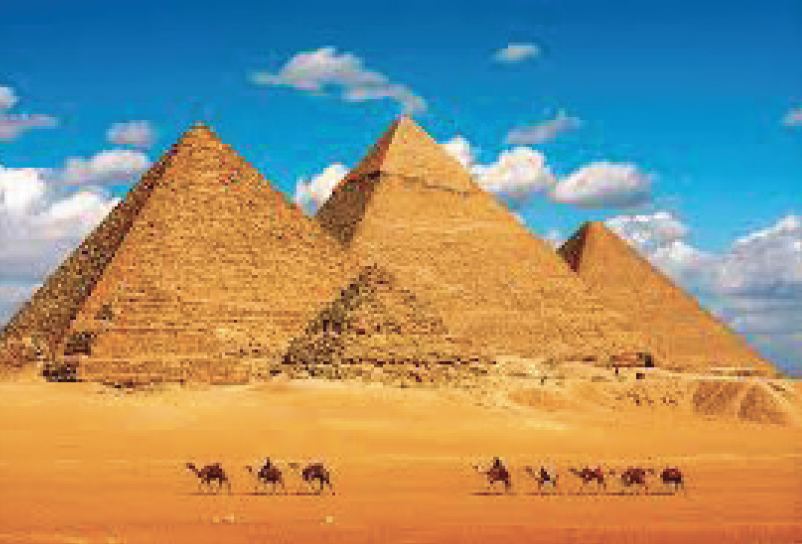
Fascination with the visible remains of ancient Egypt is not a modern phenomenon. The most striking monuments– the pyramids, the Great Sphinx at Giza, the temple at Luxor, the temple complex at Karnak, the mortuary temple of Queen Hatshepsut in the Valley of the Kings and the four colossal statues of Rameses II at Abu Simbel – were tourist attractions in classical times as they are today.
These temples, monuments and tombs could be explored and wondered at, but it wasn’t until 1822 that Egyptian hieroglyphics were finally deciphered that the true relevance of life, religion, art and culture could be understood. As a result, today many stand in awe at the true accomplishments of the ancient Egyptians.
With that in mind, Nick Glakas leads us on an armchair journey up the Nile and through 3,000 years of history on Monday, June 15, at 7 p.m., at the Village Center. Egypt’s prosperity was largely due to a thriving agrarian economy – a gift from the great river Nile that flowed for over 4,000 miles from its source in Central Africa to the river’s delta that emptied into the Mediterranean Sea.
The central role of the Nile –—the world’s longest river – is as evident today as it was 5,000 years ago when the earliest agricultural communities settled on its banks. The fertile black silt of the river’s floodplain produced abundant crops and the river itself was the country’s main transportation system.
Registration is required. Click on the Sign Up For Programs! button at the top of this page to register. New users will need to create an account.